Introduction
The rise of vaping has become a significant concern in various sectors, including education, healthcare, and public policy. As vaping devices become more sophisticated and discreet, traditional methods of detection have fallen short. This article dives deep into Leveraging Technology for Effective Vaping Detection Strategies, exploring the tools and methodologies that can help mitigate the risks associated with vaping, particularly among youth.
What is Vape Detection?
Vape detection refers to the technological methods used to identify the presence and use of vaping devices in various environments. These can include schools, workplaces, and public areas where smoking regulations apply.
Why is Vape Detection Important?
With increasing rates of vaping among teenagers and young adults, effective detection strategies are crucial for several reasons:
- Health Risks: Vaping poses health risks, including respiratory issues and nicotine addiction. Legal Compliance: Many jurisdictions have strict laws against underage vaping. Educational Environment: Schools aim to create a safe environment conducive to learning.
The Evolution of Vaping Detection Technologies
Historical Context
In the early days of vaping, detection relied heavily on human observation. Teachers or security personnel would watch for physical signs like vapor clouds or the smell of e-liquids. However, vape detectors as technology advanced, so did the methods for detecting these devices.
Current State of Technology
Today’s vape detection technologies encompass a variety of tools designed to enhance awareness and compliance in environments prone to misuse.
Types of Vaping Detection Technologies
1. Sensor-Monitoring Systems
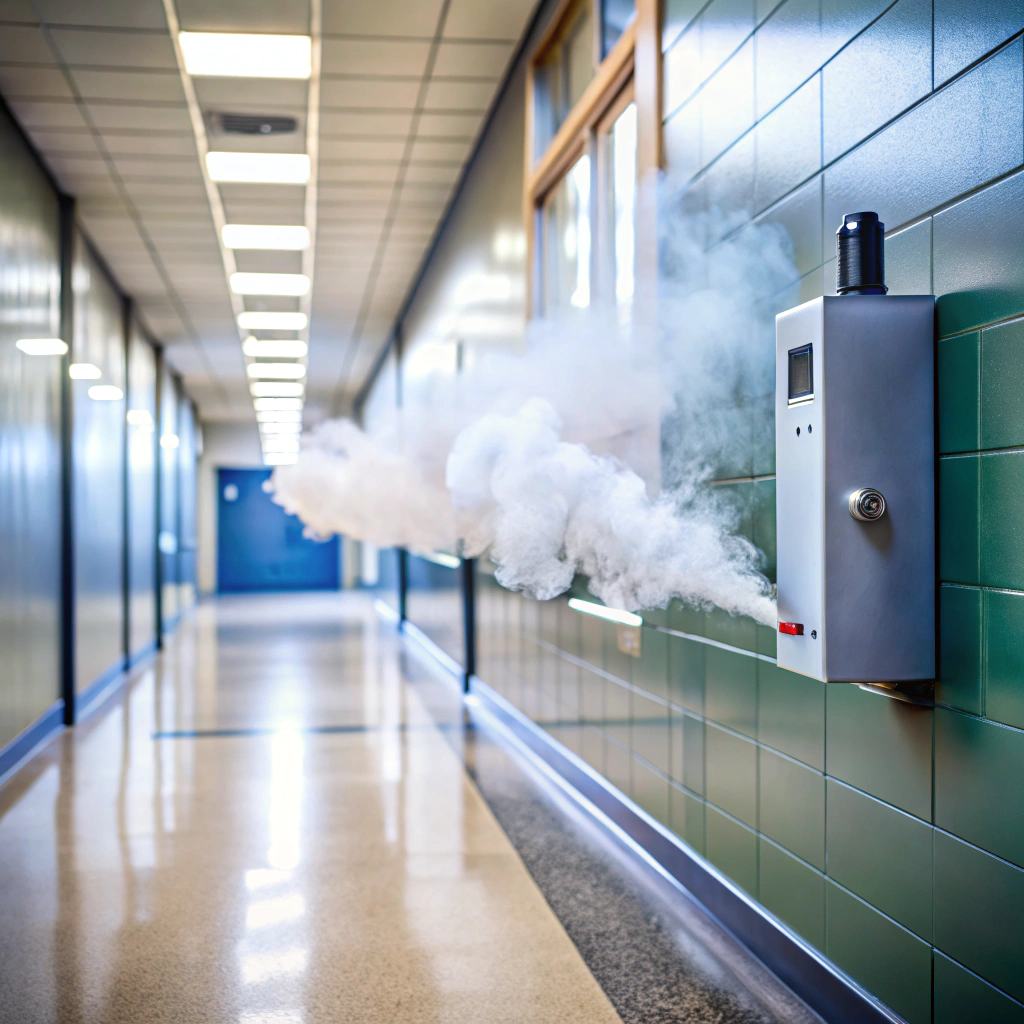
These systems are installed in strategic areas within buildings like schools or malls. They detect changes in air quality or specific chemicals associated with vape emissions.
How Do Sensor-Monitoring Systems Work?
Sensor systems typically analyze particulate matter (PM) and volatile organic compounds (VOCs) released during vaping. When certain thresholds are exceeded, administrators receive alerts.
Benefits:
- Real-time monitoring Reduced reliance on manual checks Data collection for further analysis
2. Video Surveillance
Cameras equipped with advanced analytics can identify suspicious behavior associated with vaping—such as hand-to-mouth actions typical when using a device.
Limitations:
While video surveillance enhances security protocols, it raises privacy concerns among users and might not capture every incident effectively.
3. Mobile Applications
Some educational institutions have begun implementing mobile apps that allow students to report suspected vaping incidents anonymously.
Features:
- Easy reporting interface Integration with school policies Awareness campaigns through notifications
Leveraging Technology for Effective Vaping Detection Strategies
Incorporating multiple technologies results in a comprehensive approach to combating underage vaping. By combining sensor-monitoring systems with video surveillance and mobile applications, authorities can create an ecosystem that effectively deters potential offenders while respecting their rights.
Case Studies: Successful Implementation of Vape Detection Technologies
Case Study 1: High School Surveillance
A high school in California implemented a combined strategy using sensor-monitoring systems along with video analytics. The results showed a 40% reduction in reported incidents of vaping within six months.
Case Study 2: University Campus Initiatives
A university launched an anonymous reporting app which led to increased student engagement in addressing campus-wide concerns related to substance use, including vaping.
Challenges Faced by Institutions
Despite advancements in technology, many institutions face challenges:
Cost: Initial setup costs for sensor systems can be prohibitive. Resistance from Stakeholders: Students and parents may oppose surveillance measures due to privacy concerns. Evolving Tactics: As detection technologies evolve, so do the tactics employed by those attempting to evade them.Legal Implications Surrounding Vape Detection Technologies
Institutions must tread carefully regarding legal considerations:
- Privacy Laws: Ensure compliance with local laws governing surveillance and data collection. Student Rights: Balance between maintaining safety and respecting individual rights is paramount.
Future Trends in Vape Detection Technologies
As technology continues to advance rapidly, we can expect several trends:
Artificial Intelligence (AI): AI could streamline data analysis from multiple sources to provide actionable insights. Wearable Technology: Innovations may lead toward personal monitoring devices that alert wearers about exposure levels. Integration with Health Apps: Future developments may include linking vape detection technologies with health apps that promote better lifestyle choices.FAQs About Vaping Detection Strategies
Q1: What types of sensors are best for detecting vape emissions?
A1: The most effective sensors are those that monitor particulate matter (PM) and volatile organic compounds (VOCs), as they directly correlate with vape emissions.
Q2: Are there any legal restrictions on using vape detection technologies?
A2: Yes! It’s crucial for institutions to comply with local privacy laws before implementing these technologies on their premises.
Q3: How can students report suspected vaping incidents?
A3: Implementing anonymous reporting apps allows students to inform authorities without fear of repercussions while promoting a safer community environment.
Q4: What happens when vape emissions are detected?
A4: Alerts usually notify designated personnel who then investigate further based on school policies regarding substance use.
Q5: Can these technologies be used outside educational institutions?
A5: Absolutely! They can be applied in workplaces or public spaces where smoking regulations apply or where there’s concern over substance use among youths or employees alike.
Q6: Will advancements in technology make it easier or harder to detect vaping?
A6: While vape detectors comparison new technologies will improve detection capabilities significantly, they may also lead users towards more sophisticated ways to hide their activities from authorities.
Conclusion
In conclusion, leveraging technology for effective vaping detection strategies is not just about enforcement; it’s about creating healthier environments for our youth while navigating complex challenges like privacy concerns and evolving tactics from users trying to evade detection. The future holds promise as we integrate advanced tools into comprehensive approaches aimed at reducing the prevalence of harmful behaviors such as underage vaping while fostering open dialogues around health awareness in communities across all sectors—from schools through workplaces—and beyond!
By understanding how various technologies work together—sensor-monitoring systems paired with video surveillance complemented by user-friendly mobile apps—we empower stakeholders at all levels—from educators down through parents—to take meaningful action against one pressing issue facing society today!